Featuring Rachel Doyle, licensed clinical social worker and the newest therapist at Shift Happens Collective
When most people hear the word "grief," they picture a funeral. But grief also moves in quietly during the seasons of life when everything shifts at once, and those seasons tend to pile up around the holidays. Shift Happens Collective sat down with Rachel Doyle, who recently joined the practice, to talk about what grief really looks like during a life transition and what helps.
Meet Rachel Doyle, LICSW
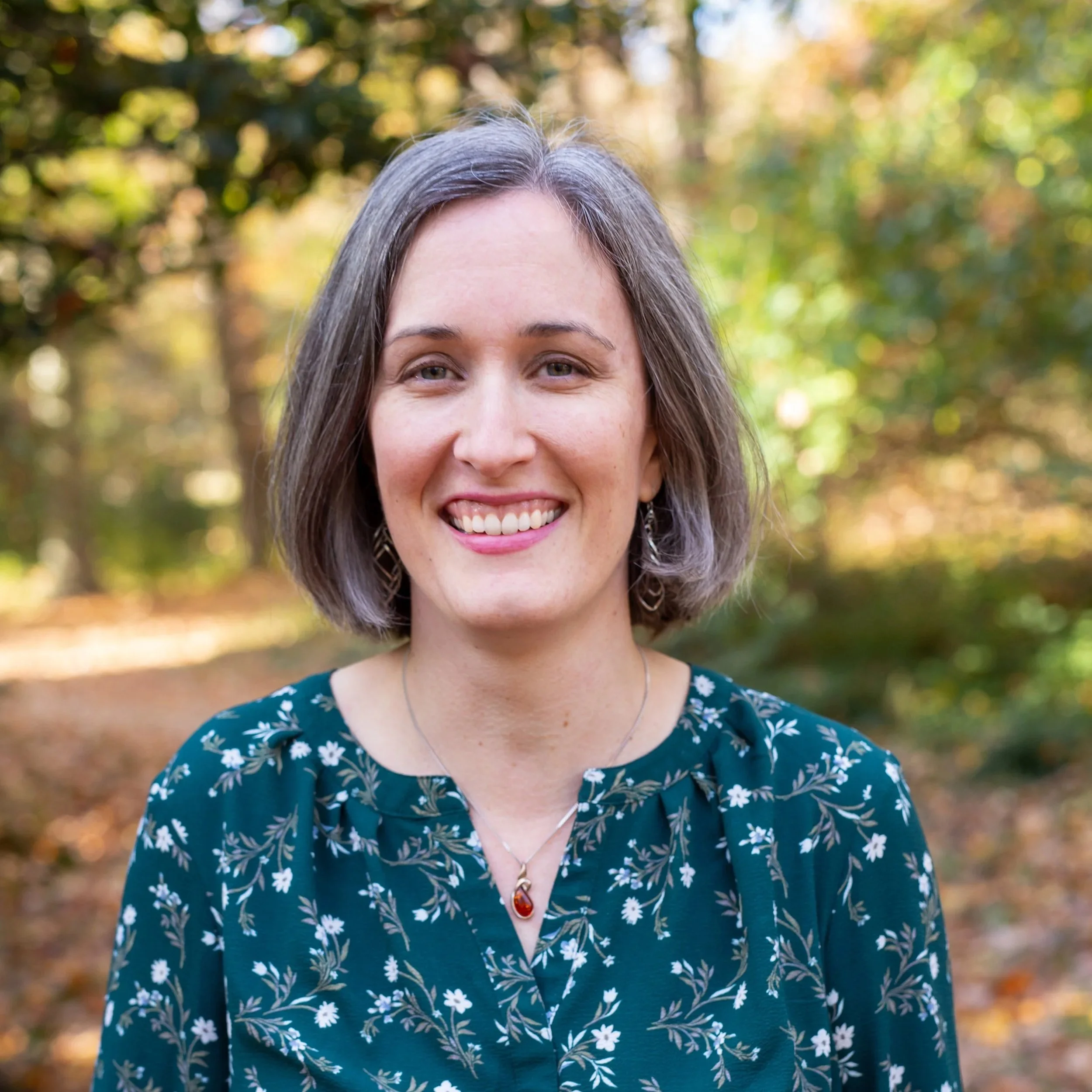
Rachel came to therapy through community mental health. During her MSW program, her second-year internship was at a cancer clinic, which led her into hospice and palliative care. She spent five years as a hospice social worker, mostly in Southeast DC, helping patients and families with everything from food and medical supplies to the hard conversations that come with a life-limiting diagnosis.
"It is an intimate space when somebody knows they have a life-limiting diagnosis," Rachel says. "You can't talk about your feelings if you're hungry. You can't talk about planning for the future if you're in physical pain."
After earning her clinical license, Rachel spent roughly a decade in community mental health in the DC area, including providing clinical supervision for interns and new social workers at a large social services organization. That experience gives her a steady, unshockable presence in the room.
"Nothing surprises me," she says. "People sometimes think they're going to horrify the therapist. It's not possible. I've seen it all, and what I haven't seen, I've heard about."
Why Rachel Joined Shift Happens Collective
Rachel and practice owner Lisa have known each other for years and have worked together on social work licensing equity. When Rachel was ready to focus fully on seeing clients, Shift Happens Collective was the natural fit.
"I knew I needed to work with somebody who was morally aligned with me and saw the profession the same way," she says, pointing to shared values around social justice, anti-racism, and anti-ableism. Rachel is now welcoming new clients at Shift Happens Collective as the practice grows its team.
Is It Grief If Nobody Died?
Yes. Rachel describes grief as what happens after "any major thing in your life where you expected one thing and that didn't work out." Common non-death losses that can bring up grief include:
The end of a romantic relationship. "I think a lot of people can relate to that one," Rachel says.
A child's disability or neurodivergence. Rachel is careful with the language here, since grief can imply the "death of something." Still, she says parents can go through a grief-like process when life turns out differently than they pictured and becomes more challenging.
Job loss, career changes, and moves. Any shift that closes one door can leave you mourning the life you had or the one you planned.
Can a Positive Change Cause Grief?
Definitely. "There's good stress, but it's still stress," Rachel explains. A new job, a promotion, or a move to a new city can be exciting and still involve "missing what has been, what was," and the possibilities you left behind.
The in-between stage is often the hardest part. "If you move to a new city and you don't have any friends yet," she says, "these are all a process and take time." Feeling sad about a change you chose does not mean you made the wrong choice. It means something mattered to you.
What Does Grief Feel Like? Common Signs
Grief shows up differently for everyone, but Rachel sees several common themes:
Feelings that look like depression or anxiety
Crying, sometimes unexpectedly
Having a hard time getting out of bed
Struggling with daily responsibilities like going to work or parenting
Rumination, or thinking about the loss over and over
A general sense of overwhelm
Rachel is clear that these reactions are not automatically a diagnosis. "I wouldn't necessarily call it a depression diagnosis, because it's grief," she says. "The grief process is normal, but it can feel very distressing."
Grief Comes in Waves
Rachel leans on a familiar image because she finds it accurate: grief comes in waves. "At the beginning, those waves can be like tidal waves," she says. "They knock you off your feet and make you gasp for air." Over time, the waves usually become more manageable, though they can still arrive without warning, especially around anniversaries and holidays.
Why Is It So Hard to Recognize Grief?
Part of the problem, Rachel says, is that our culture treats grief like something to fix quickly. "Grief is pathologized in our country," she explains. "Your husband of 50 years has been dead two weeks. Why aren't you over it yet? Grief is a normal process, but we as a society don't do a good job of allowing that normal process to happen."
When there is no funeral, no casseroles, and no time off work, people often don't give themselves permission to call what they're feeling grief at all.
3 Ways to Cope With Grief During a Life Transition
1. Feel the feelings instead of resisting them
"Rather than trying to resist it, feel the feelings," Rachel says. "It's okay to feel the feelings." Pushing grief down tends to make it louder later.
2. Grieve with someone instead of being strong for them
Many people believe they have to hold it together for a parent, partner, or child. Rachel recently told a colleague facing a family loss: "You don't have to be strong for her. You two can grieve together. Grief shared is grief lessened."
3. Find a ritual that creates meaning
Doing something meaningful can help a loss feel honored. Rachel suggests volunteering for a cause your loved one cared about, like joining a litter pickup if they loved nature, or donating to a charity that mattered to them. For non-death losses, a ritual might mean writing a goodbye letter to your old city or marking the end of a chapter with people who were part of it.
Grief and the Holidays
The holiday season can make grief feel heavier. Traditions highlight who and what is missing, and there's pressure to feel joyful on schedule. If this year looks different because of a loss, a breakup, a move, or any big change, it's normal for the season to feel complicated. Give yourself room to feel both the hard parts and the good ones.
Find Grief Support in Washington, DC
Whether you're grieving a person, a relationship, or the life you thought you'd have, you don't have to sort through it alone. Rachel Doyle is now accepting new clients at Shift Happens Collective.